
Anchorage is a special city because it feels almost like a place built inside a vast natural park. Imagine somewhere where houses, streets, and schools sit alongside towering mountains and forests full of animals. Around Anchorage there are snow-covered peaks, icy rivers, and a sea that fills with ice during the winter.
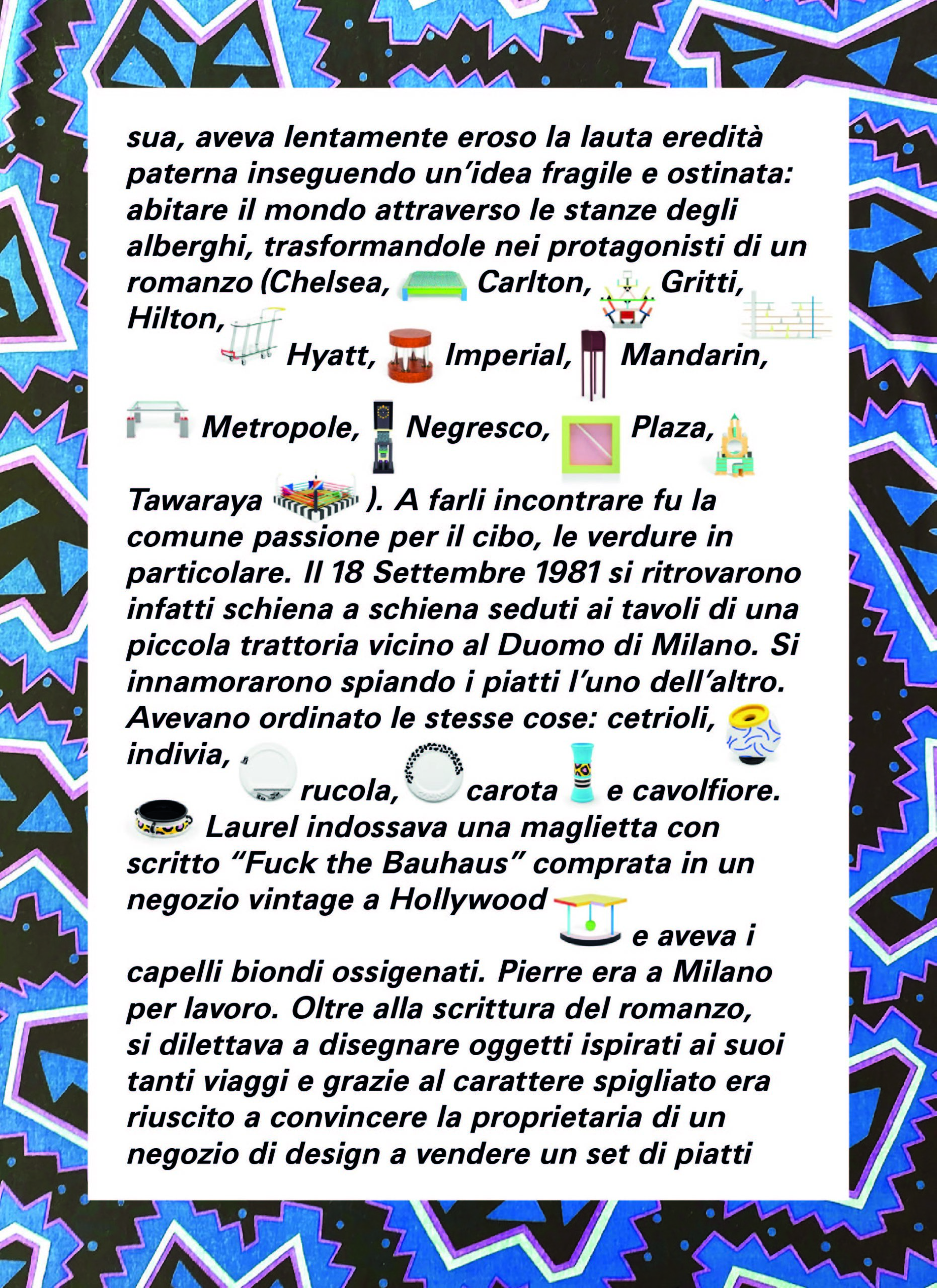
Tired of the warm temperatures they had chosen to live in, to celebrate their 45th wedding anniversary Pierre and Laurel decided to leave their beloved Acapulco and fly to Alaska, crossing the Pacific. It seemed like a bold choice for a couple to whom life had already given everything. And yet Laurel understood the language of opposites well; raised among the sunlit palms of Bel Air, she found joy in the freezing peaks of Colorado. Pierre, for his part, had slowly worn down his generous inheritance pursuing a fragile and stubborn idea: to inhabit the world through hotel rooms, turning them into the protagonists of a novel (Chelsea, Carlton, Gritti, Hilton, Hyatt, Imperial, Mandarin, Metropole, Negresco, Plaza, Tawaraya).
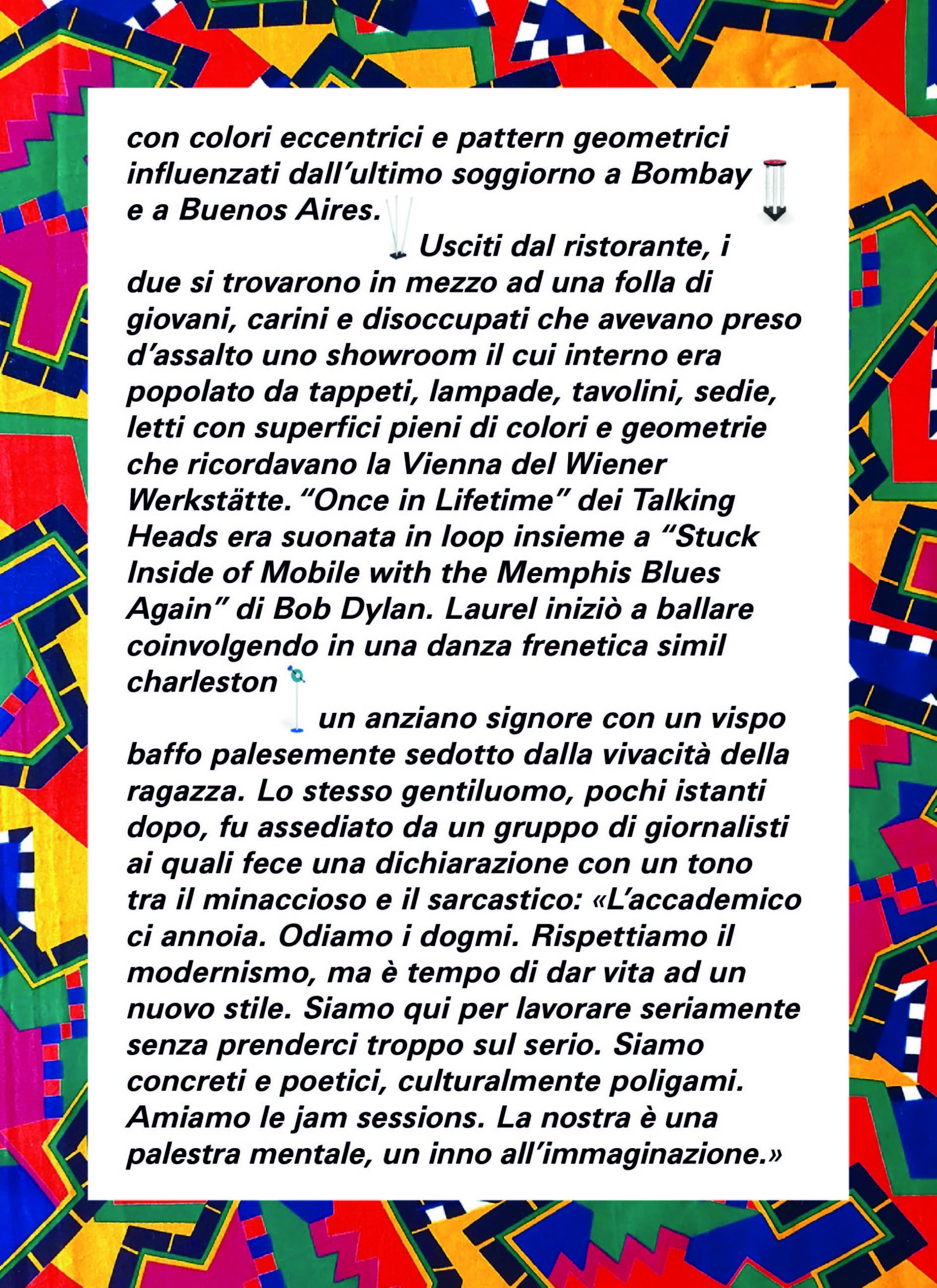
What brought them together was a shared passion for food, especially vegetables. On September 18, 1981, they found themselves sitting back to back at the tables of a small trattoria near the Duomo in Milan. They fell in love by spying on each other’s plates. They had ordered the same things: cucumbers, indivia, rucola, carrot, and cauliflower. Laurel wore a T-shirt that read “Fuck the Bauhaus,” bought in a vintage shop in Hollywood, and had bleached blonde hair. Pierre was in Milan for work. Alongside writing his novel, he enjoyed designing objects inspired by his many travels, and thanks to his outgoing nature he had managed to convince the owner of a design shop to sell a set of plates with eccentric colors and geometric patterns influenced by his latest stays in Bombay and Buenos Aires.
When they left the restaurant, they found themselves in the middle of a crowd of young, attractive, resting people who had taken over a showroom filled with rugs, lamps, small tables, chairs, and beds covered in colorful surfaces and geometric patterns reminiscent of Vienna’s Wiener Werkstätte. “Once in a Lifetime” by the Talking Heads was playing on loop along with “Stuck Inside of Mobile with the Memphis Blues Again” by Bob Dylan. Laurel began to dance, pulling an elderly gentleman with a lively mustache into a frenetic, almost Charleston-like dance, clearly charmed by the girl’s vitality. Moments later, the same gentleman was surrounded by a group of journalists to whom he made a statement in a tone somewhere between threatening and sarcastic:
“The academic bores us. We hate dogmas. We respect modernism, but it’s time to give life to a new style. We are here to work seriously without taking ourselves too seriously. We are consistent and poetic, culturally polygamous. We love jam sessions. Ours is a mental gym, a hymn to imagination.”
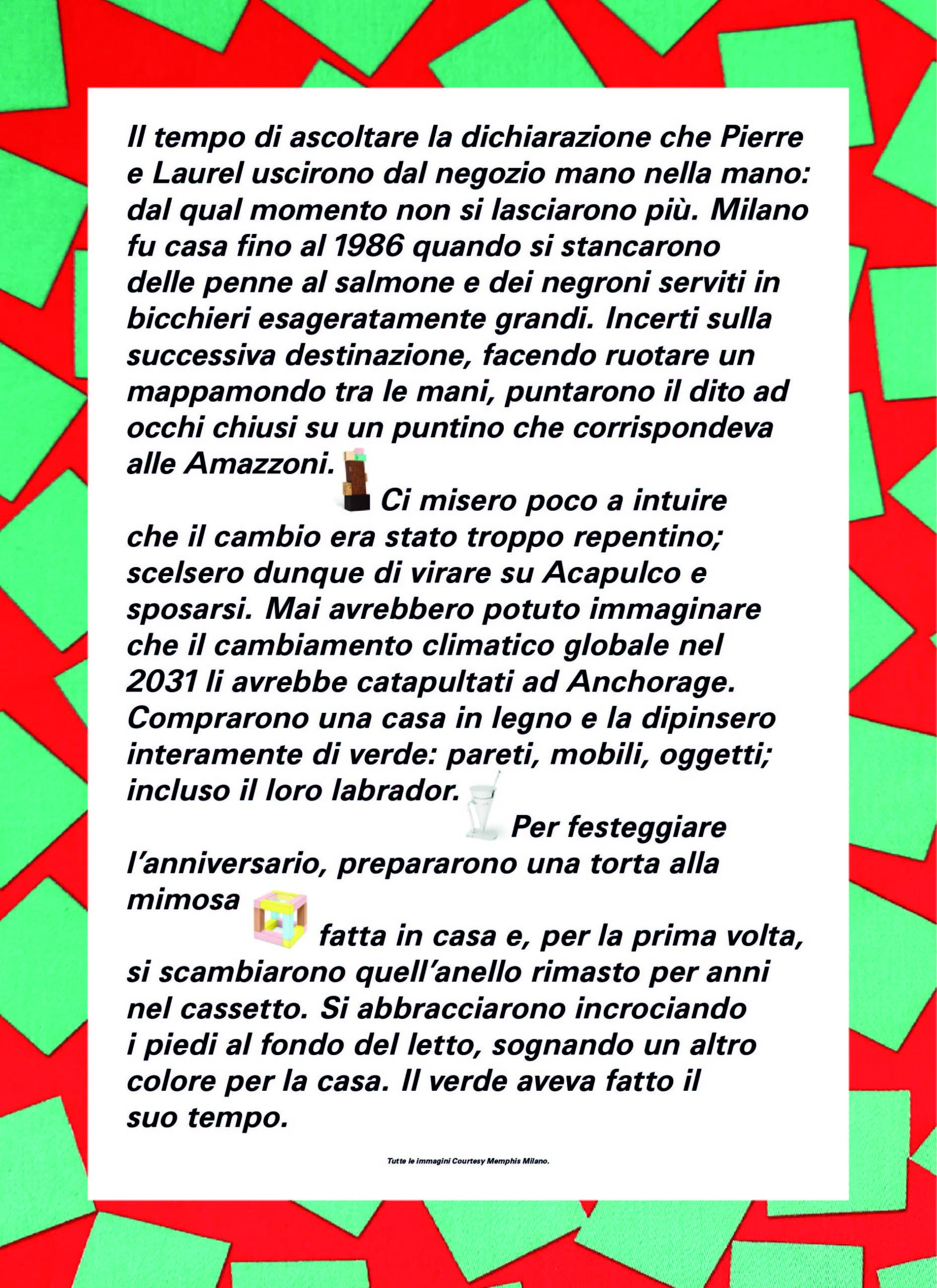
By the time the statement ended, Pierre and Laurel had already left the shop hand in hand—from that moment on, they never parted again. Milan was home until 1986, when they grew tired of penne al salmone, Negronis served in excessively large glasses, and an excessive faith in the power of the product. Unsure of their next destination, spinning a globe in their hands, they pointed with closed eyes to a dot that turned out to be the Amazon. It didn’t take long to realize the change had been too abrupt; they decided instead to head to Acapulco and get married.
They could never have imagined that global climate change in 2031 would propel them to Anchorage. They bought a wooden house and painted it entirely green: walls, furniture, objects—including their labrador. To celebrate their anniversary, they prepared a homemade mimosa cake and, for the first time, exchanged the ring that had remained in a drawer for years. They embraced, their feet intertwined at the foot of the bed, dreaming of another color for the house. Green had had its time.
FUCK THE BAUHAUS
19 Maggio 2026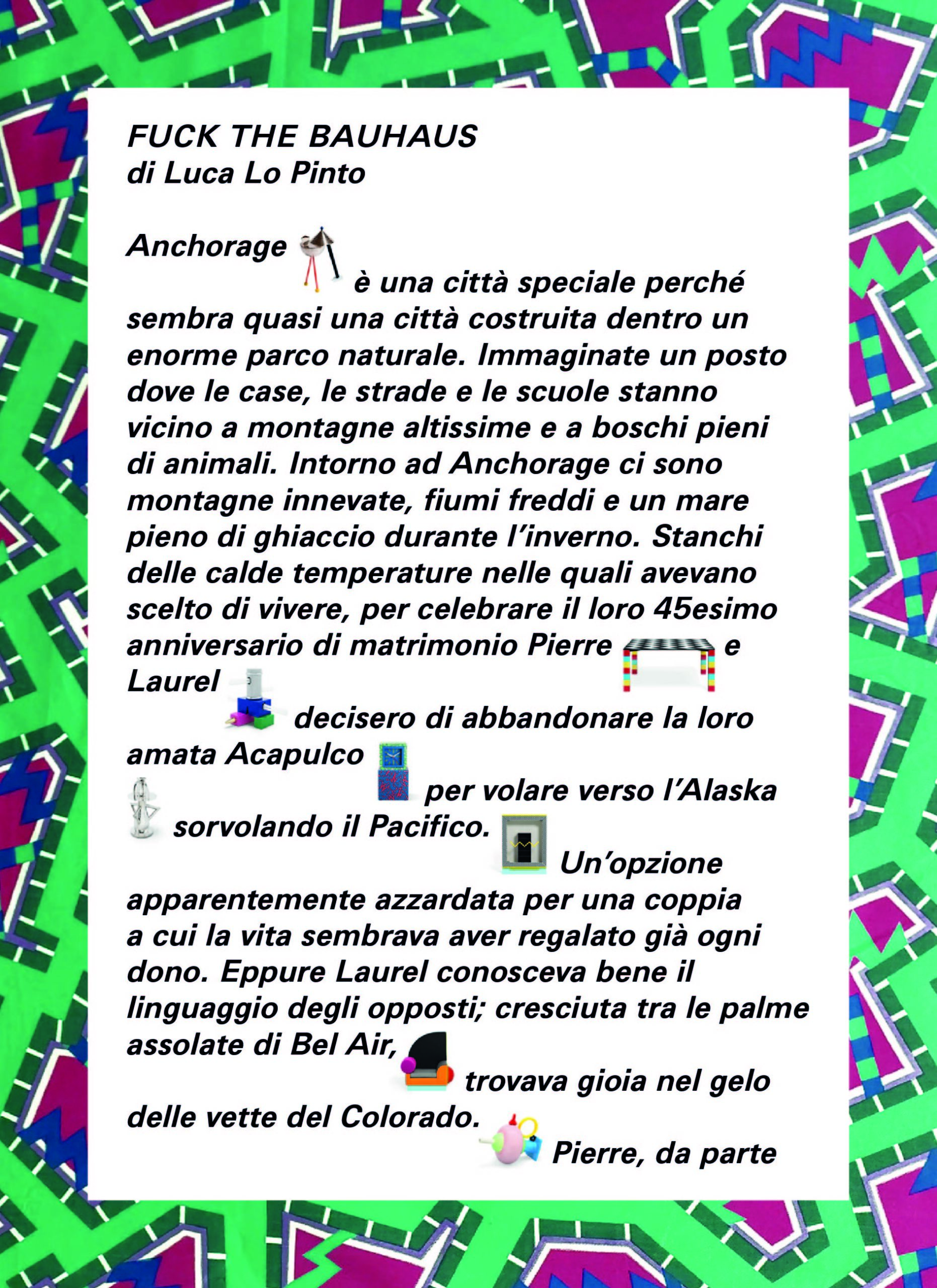
1
2
3
4
Estratto digitale dell’inserto “Fuck the Bauhaus” a cura di Luca Lo Pinto per Flash Art Italia 366
1
2
3
4
Estratto digitale dell’inserto “Fuck the Bauhaus” a cura di Luca Lo Pinto per Flash Art Italia 366
1
2
3
4
Estratto digitale dell’inserto “Fuck the Bauhaus” a cura di Luca Lo Pinto per Flash Art Italia 366
1
2
3
4
Estratto digitale dell’inserto “Fuck the Bauhaus” a cura di Luca Lo Pinto per Flash Art Italia 366
The Waves of the Oh!s and the Ah!s TBA21–Academy / Chiesa di San Lorenzo, Venezia
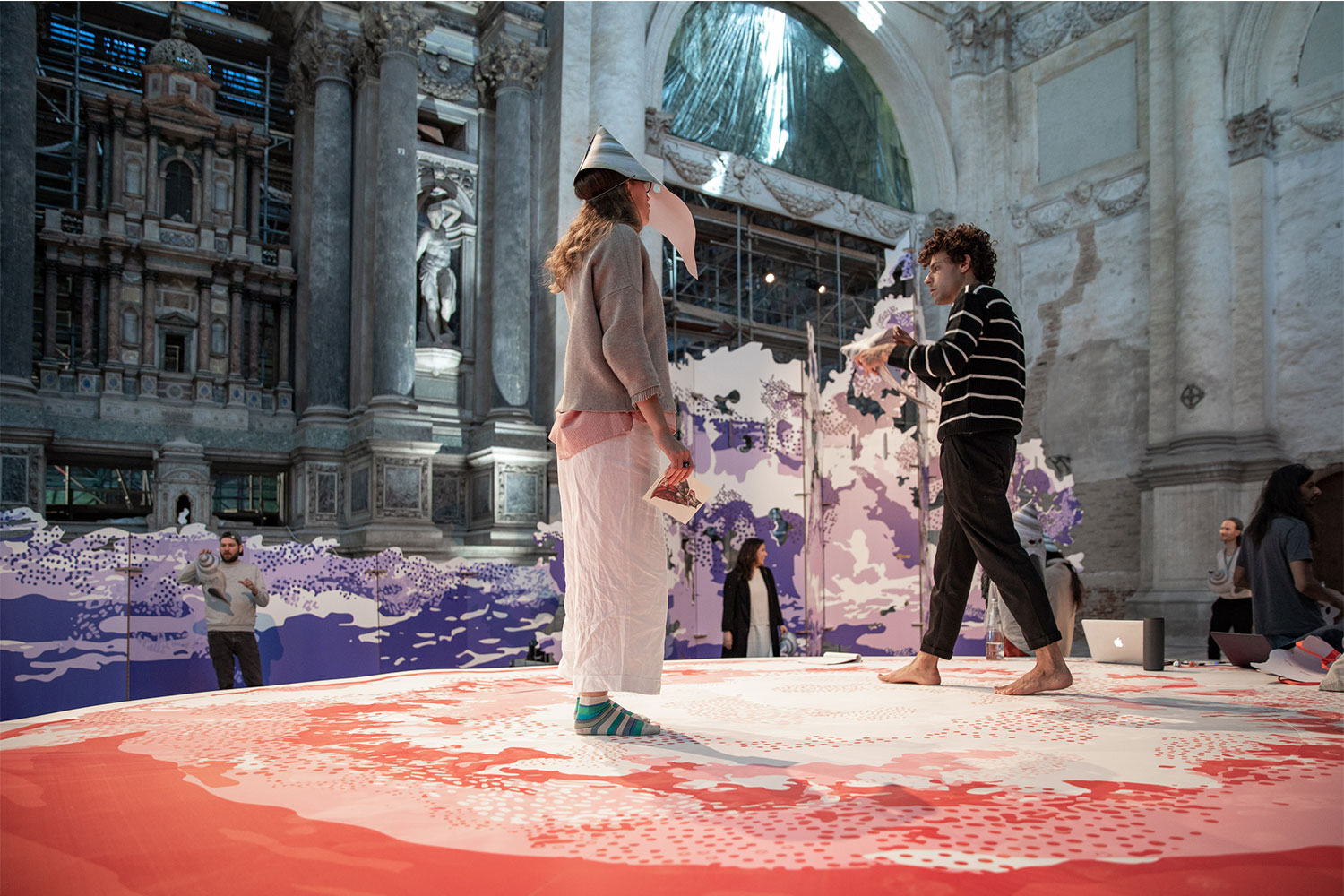
“Ma qual è la pietra che sostiene il ponte?”, chiese Kublai Khan. “Il ponte non è sostenuto da questa o…
Édouard Nardon “The long invisible hand slowly unlocks the tinted window” The Address / Brescia
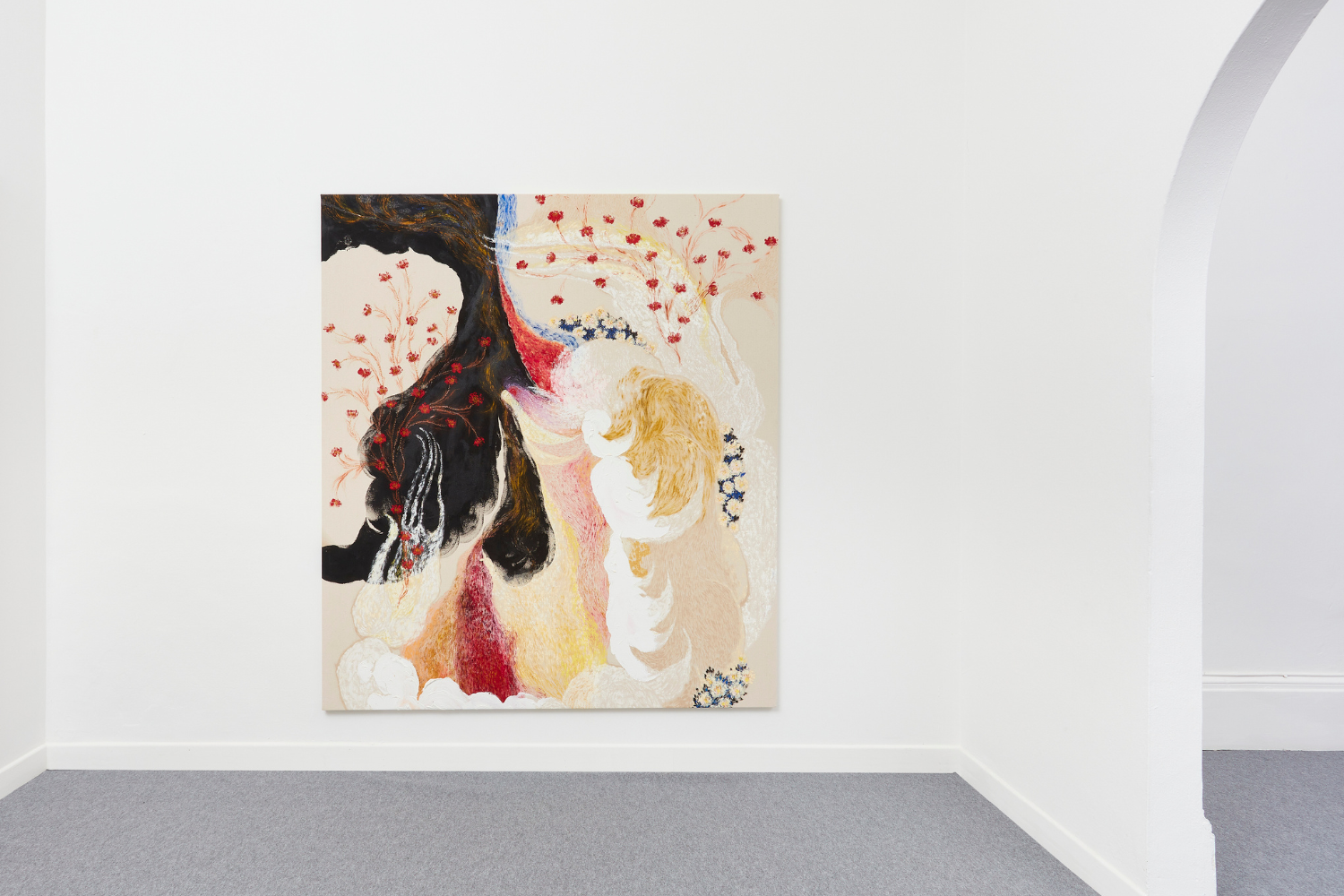
“It is a hidden stone and buried in a deep fountain And cast in the ways and covered with dirt…
The Factory Photographs di David Lynch
MAST (Manifattura di Arti, Sperimentazione e Tecnologia) ha aperto la sua Gallery, dall’ottobre del 2013, esclusivamente per opere di fotografia…
“Farewell to the Stage. Tools for reassembly” Artopia / Milano
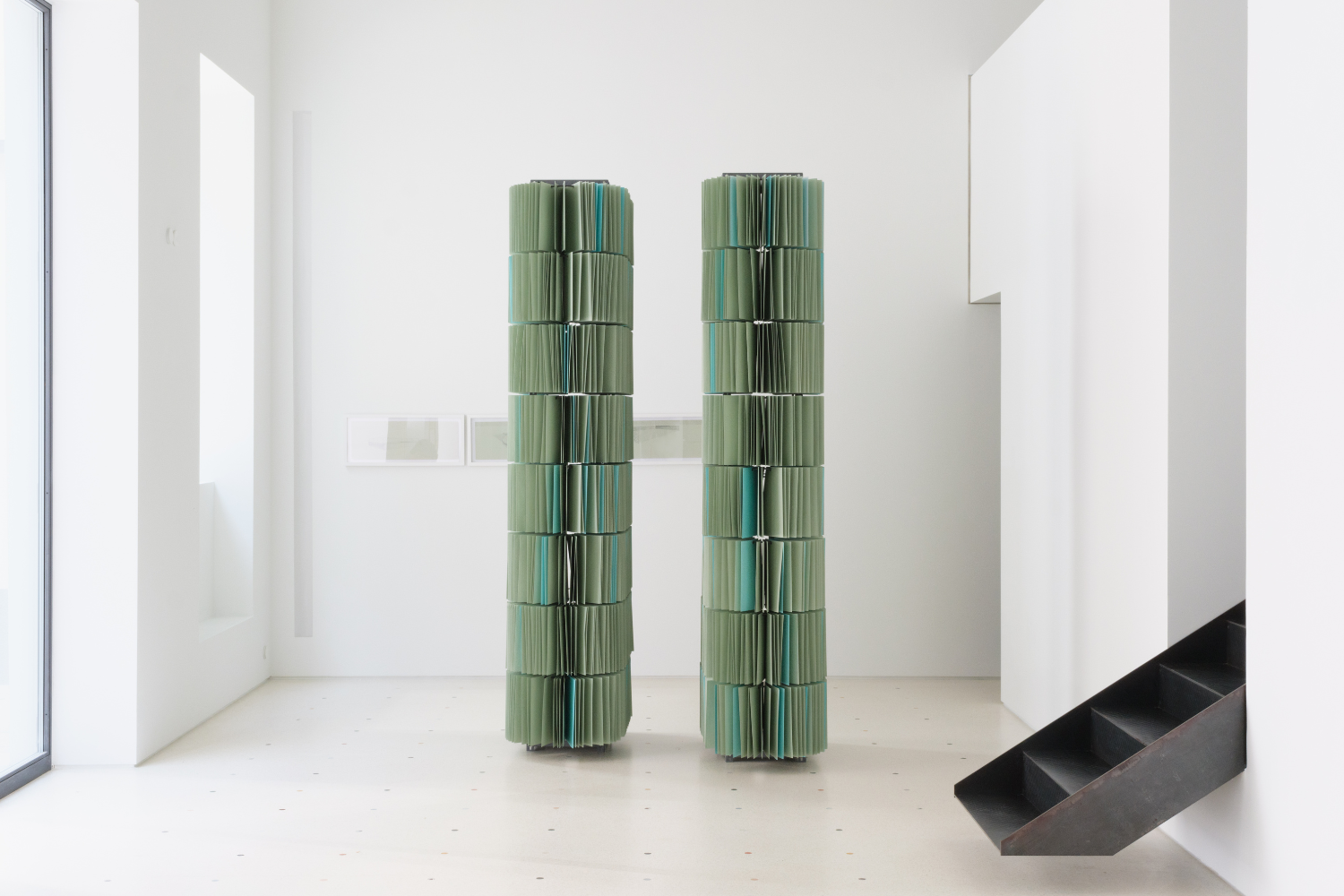
Ad un anno dall’apertura della nuova sede in Via Lazzaro Papi 2, nel cortile dello stesso edificio che ha ospitato…